
Jonathan Sweat

NMLS ID#308553

Category: Uncategorized

  • Truth That Withstands Examination

    Truth That Withstands Examination

    A Reflection on Proverbs 20

    This chapter shows how truth expresses itself through self-control, integrity, diligence, and a willingness to live honestly before God’s searching light. Truth stands when examined.

    Truth Governs Self-Control

    “Wine is a mocker…” (Proverbs 20:1)

    Truth refuses to be ruled by anything that clouds judgment. Wisdom guards clarity and self-mastery.

    Truth Chooses Restraint Over Conflict

    Honor is found in stepping away from arguments. Truth does not prove itself through dominance or reaction, but through restraint and peace.

    Truth Values Diligence

    Proverbs 20 connects effort with outcome. Neglect produces lack; truth acknowledges responsibility without excuse.

    Truth Looks Beneath the Surface

    The heart’s motives are deep waters. Truth seeks understanding rather than settling for appearances. Wisdom draws out what is hidden.

    Truth Walks in Integrity

    “The righteous walk in integrity…” (Proverbs 20:7)

    Truth leaves a legacy. Integrity blesses not only the present life, but those who follow.

    Truth Rejects Double Standards

    God detests dishonest measures. Truth is consistent, fair, and accurate—whether observed or unseen.

    Truth Submits to God’s Examination

    “The spirit of a person is the lamp of the LORD…” (Proverbs 20:27)

    Truth lives openly before God, allowing Him to search the heart and direct the path.

    Living This Truth

    Proverbs 20 reminds us that truth must be:

    – Governed by self-control

    – Lived with integrity

    – Practiced diligently

    – Examined honestly

    Truth does not fear the light…it stands in it.

    Truth to Carry Forward

    Truth that withstands examination produces a life of integrity.
  • The Fed Changed Rates – So Why Didn’t Mortgage Rates Drop?

    The Fed Changed Rates – So Why Didn’t Mortgage Rates Drop?

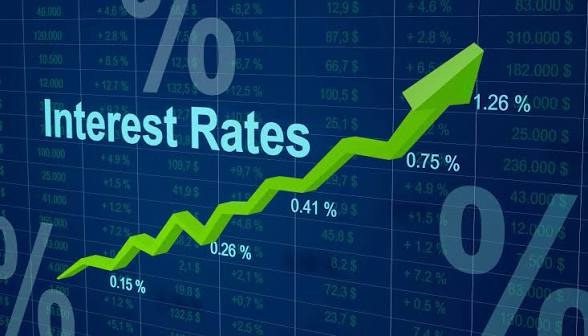
    If you’ve seen headlines about the Federal Reserve changing interest rates, you’re not alone in wondering:

    “Does this mean mortgage rates are going down?”

    The short answer: not necessarily.
    The longer (and more helpful) answer is below.


    What Rate Did the Fed Actually Change?

    When the Federal Reserve “changes rates,” they are adjusting the Federal Funds Rate. This is the overnight interest rate that banks charge each other for short-term lending.

    👉 This rate does NOT directly control mortgage rates.

    It mainly affects:

    • Credit cards
    • Home equity lines of credit (HELOCs)
    • Auto loans
    • Short-term business lending

    So while it’s an important economic tool, it’s only one piece of a much bigger puzzle.


    What Actually Determines Mortgage Rates?

    Mortgage rates are primarily driven by the bond market, especially the 10-year Treasury and mortgage-backed securities (MBS).

    Mortgage rates react to:

    • Inflation expectations
    • Jobs and wage reports
    • Consumer confidence
    • Global economic events
    • Investor demand for bonds

    In other words, mortgage rates are forward-looking, while the Fed is often reacting to data that already happened.


    Why Mortgage Rates Sometimes Rise When the Fed Cuts

    This is the part that surprises people.

    If the Fed cuts rates but signals concerns about inflation, economic instability, or future risk, investors may:

    • Sell bonds
    • Demand higher returns
    • Push mortgage rates up, not down

    Markets move on expectations, not headlines.


    Why the Media Headlines Can Be Misleading

    Headlines often simplify things to grab attention:

    “Fed Cuts Rates — Borrowing Gets Cheaper!”

    That might be true for some loans, but mortgage rates don’t follow the Fed step-for-step.

    Sometimes mortgage rates:

    • Drop before a Fed announcement
    • Stay flat after a change
    • Move in the opposite direction entirely

    That’s why waiting for the “next Fed move” can cost buyers and refinancers real money.


    The Smarter Question to Ask

    Instead of asking:
    “What did the Fed do?”

    A better question is:
    “What is the bond market doing right now?”

    And even better:
    “Does this rate make sense for my personal situation?”


    Bottom Line

    • The Fed does not set mortgage rates
    • Mortgage rates are driven by the bond market and investor expectations
    • Headlines can be misleading
    • Timing the market is risky
    • Strategy matters more than predictions

    If you’re thinking about buying, refinancing, or just want clarity in a noisy market, a conversation beats speculation every time.